






Thinking of moving to Spain? Our complete guide covers everything you need to know — from visa options and job opportunities to finding housing and shipping your belongings with ease.
Whether you’re chasing the sun, planning your retirement, or starting a new chapter with your family, moving to Spain from the UK is an exciting step, but it also comes with important practicalities. From securing the right visa to finding a new home and adapting to Spanish life, careful planning will help make your move as smooth as possible.
In this guide, we’ll walk you through the essentials of moving to Spain, including how to navigate post-Brexit visa requirements, apply for your NIE number, and handle key legal and administrative tasks. We’ll also touch on healthcare, education, and other crucial aspects of daily life you’ll want to prepare for in advance.
At PSS International Removals, we’ve helped thousands of UK families, professionals, and retirees successfully relocate to Spain. Read on for expert advice and top tips to make your transition easier and ensure you’re fully prepared for life in the sun.
First Steps for Moving to Spain
The first steps in your journey involve understanding the legal and bureaucratic requirements. British citizens must navigate these carefully due to post-Brexit changes. You’ll need a valid passport, an appropriate visa, and an NIE number (Número de Identificación de Extranjero) to get started. Various permits and registrations are required for a smooth transition through Spain’s systems.
Since Brexit, UK citizens are now considered third-country nationals in Spain, which impacts visa options. You must apply for the right visa before moving. Upon arrival, you’ll also need to submit a residence application at the immigration office or online. Knowing these requirements early will help ensure a hassle-free move.
Understanding Spanish visa requirements and obtaining your NIE number are critical first steps in establishing residency and starting your new life.
Understanding Spanish Visa Requirements

Knowing the visa options available to you is essential. The main types for British citizens include work, student, and non-lucrative visas. Retirees wishing to live in Spain without employment can apply for the non-lucrative visa, requiring proof of financial means. Students need an acceptance letter from a Spanish institution, proof of funds, and health insurance.
The visa process involves correct translations, meeting Spanish consulate guidelines, and careful timing. For example, a work visa requires a Spanish employment offer or proof of sufficient income.
Find detailed official guidance on visas via the Spanish Consulate in London – Visa Information.
Although it may seem complex, knowing these requirements will greatly ease your move.
Obtaining a Spanish NIE Number
The Spanish NIE number is crucial to your move. This number serves as a legal identification for foreign nationals in Spain and is required for various legal procedures, such as residency. Without an NIE, you cannot start working, open a bank account, or even buy property in Spain.
You can apply for an NIE number at the local immigration office or police station if you are already in Spain. Additionally, it is required to obtain a TIE Card (Tarjeta de Identidad de Extranjero), which is an official identity card for non-Spanish nationals residing in Spain. The TIE Card serves as proof of your legal residency and includes important information such as your NIE number, photo, and personal details. Carrying this card not only legitimises your legal status but also makes it easier to access essential services, open bank accounts, sign rental contracts, and complete other official procedures during your stay in Spain.. Obtaining your NIE number early in the process will streamline many aspects of your move and daily life in Spain.
Moving Your Belongings to Spain

Packing up and shipping your household goods can feel overwhelming, but you don’t have to do it alone. Hiring a professional moving company like PSS International Removals ensures a smooth experience. We offer:
- Door-to-door removals
- Free home/video surveys
- Expert guidance
- Help with paperwork
- Accredited shipping partners
- Secure storage options
Kickstart the process with a quick online quote or home survey which takes just 60 seconds!
The cost of moving varies widely, from £288 for a few large boxes to over £5,747 for a full house move. The typical duration for household removals to Spain is between 1 and 4 weeks, depending on the service chosen and destination.
A dedicated Account Manager can assist with questions and tailor your removal requirements for a seamless move. Proper planning and seeking professional advice can make moving your belongings to Spain a smooth and efficient process.
Preparing for Life in Spain
Adapting to a new culture is just as important as sorting paperwork. Key points include:
-
UK nationals need the TIE card to prove residency.
-
The cost of living varies greatly; Madrid and Barcelona are the priciest areas. This is something you need to consider when choosing the best places to live in Spain.
-
Learning Spanish is vital for daily life and building community connections.
Fun detail: Don’t be surprised if shops in smaller towns still close for siesta in the afternoon!
Opening a Spanish bank account, understanding health insurance, and finding the right accommodation are also essential for settling in.
Opening a Spanish Bank Account
For UK citizens, a Spanish bank account is necessary to facilitate bill payments, payroll, and daily expenses. Having a local bank account is necessary for paying utility bills, meeting rental obligations, and managing taxes in Spain. Popular banks for British expats in Spain include BBVA, Banco Sabadell, and Santander.
The process typically requires an NIE number, proof of address, and identification. Some Spanish banks allow non-residents to open accounts without being in Spain. With the right documents, it generally takes about five days to start using a bank account, while credit cards may take up to two weeks.
A Spanish bank account simplifies many aspects of daily life and financial management in Spain.
Keep in mind that most Spanish banks still close for siesta hours, typically from 2 to 5 p.m., so plan your visits accordingly; it’s a unique reminder of Spain’s relaxed daily rhythm.
Health Insurance Options in Spain
Health insurance plays a crucial role in living in Spain:
- Public healthcare in Spain is accessible for residents and provides comprehensive access to medical care.
- Obtaining private health insurance is often recommended for additional coverage.
- Private insurance can offer quicker access to services.
- The cost range for private health insurance plans in Spain typically varies from €50 to €200 monthly.
Certain visas, such as the Non-Lucrative Visa and Golden Visa, require private health insurance. To avoid gaps in healthcare access, UK nationals are recommended to have the S1 form and comprehensive private insurance. Understanding both public and private healthcare options ensures comprehensive medical coverage while living in Spain.
Finding Accommodation: Renting vs Buying
Choosing whether to rent or buy property in Spain is a significant decision. The rental market in Spain is notably strong, giving flexibility for newcomers. Key points about renting include:
- Rental prices for a one-bedroom apartment in Madrid or Barcelona range from €800 to €6,000 monthly.
- The average rental price in smaller cities or suburban areas falls between €400 and €800 monthly.
- Expats often require a larger security deposit than locals when renting properties in Spain.
When renting, at least one month’s rent is typically required as a security deposit. Expats usually need to provide proof of employment or the ability to pay rent.
Buying property requires obtaining a financial number, which is integral to the process. If you’re considering purchasing a home, working with an English-speaking mortgage specialist like Your Spanish Mortgage can help you understand mortgage options and avoid common pitfalls.
In Spain, it’s common for unfurnished apartments to come without even basic kitchen appliances like ovens or fridges, so budgeting for these essentials is often part of settling in.
For expert relocation support and personalised advice on buying or selling property on the Costa del Sol (one of the most popular expat destinations in Spain), Alison Norton Properties offers dedicated, turn-key services backed by local knowledge. Understanding the market and legal requirements will help you make an informed decision, whether you choose to rent or buy.
Understanding the local job market and requirements for different types of work is crucial for navigating employment in Spain. Spain has a diverse job market, with opportunities across various sectors, especially in tourism, services, and technology. Tailoring your CV to Spanish standards and using local job platforms (e.g. InfoJobs and LinkedIn España) is important for securing employment with a Spanish company.
Self-employed individuals must obtain a tax identification number and comply with local regulations and tax obligations. The Digital Nomad Visa allows remote workers to live in Spain legally while working for a non-Spanish company, providing an attractive option for expatriates.
Securing a Job with a Spanish Employer
Securing temporary residence and work authorisation is necessary before relocating to Spain for employment. The Spanish company must complete a work and Spanish residence permit authorisation application for employees moving to Spain.
After obtaining work authorisation, the employee must apply for a work visa at the nearest Spanish consulate. Upon arrival in Spain, the employee must register with the social security system, pay social security contributions, and apply for the TIE (Foreigner Identity Card).
These steps ensure a smooth transition into the Spanish workforce.
Moving as a Self-Employed Person
Self-employed individuals moving to Spain must fulfil requirements such as obtaining residence and work authorisation, submitting professional qualifications, financial proofs, a project description, and necessary licenses. Upon arrival, self-employed individuals must register for social security contributions within three months and apply for the TIE within one month.
Tax obligations include quarterly VAT filings and maintaining legal status through proper registration. The ‘Sociedad limitada’ is the most common type of company structure for self-employed individuals in Spain.
Digital Nomad Visa
The Digital Nomad Visa attracts entrepreneurial talent and remote professionals to live and work in Spain. Eligibility requires applicants to be remote workers and provide a work contract with a foreign employer that is at least three months old.
Securing the visa involves following specific application steps:
- Initially, the Digital Nomad Visa is valid for one year.
- It can be renewed for up to five years.
- Holders may qualify for a reduction in Non-Resident Income Tax.
The Digital Nomad Visa offers a flexible option for experiencing life in Spain while working remotely.
Family Considerations When Moving to Spain
 Moving to Spain with your family requires additional considerations, particularly concerning healthcare and education. Regarding healthcare for UK nationals:
- UK nationals can access public healthcare in Spain using the S1 form.
- British expatriates moving permanently to Spain should inform their GP practice to be removed from the NHS register.
- This removal allows them to gain access to Spanish healthcare.
Families should explore various educational options, including public, private, and international schools for their children. Knowing these aspects ensures a smooth transition for your family to life in Spain.
Schooling Options for Children
Children in Spain may start nursery school as early as age 3. Transitioning to junior school occurs at age 6. Spanish secondary school begins at age 12, offering options for vocational training or the Spanish Baccalaureate.
Families should carefully consider schooling options to ensure their children receive a quality education that fits their needs.
Healthcare Services for Families
Public healthcare services in Spain provide comprehensive access to medical care for families, making it an essential factor to consider when moving. Families can access public health services by registering with the local health authority and obtaining a health card (Tarjeta Sanitaria) within the healthcare system.
Expatriate families should consider private health insurance options to supplement public healthcare, especially for quicker access to services and treatments. By understanding both public and private healthcare options, families can ensure comprehensive medical coverage while living in Spain with a health insurance policy.
Family Reunification Visa
The Family Reunification Visa process allows British nationals to bring their close family member to live in Spain legally. Family members can join their loved ones in Spain if the sponsor has resided there for at least a year.
If you are already in Spain, you should book an appointment at the local Foreigners’ Office to apply for family reunification. Immigration specialists can simplify the family reunification process for British nationals.
This visa allows many British expats to connect with their loved ones. It allows them to reside legally in Spain.
Financial and Legal Aspects
Knowing the financial and legal aspects of moving to Spain is crucial for a smooth transition. British citizens should consider the following before moving:
- Understand their legal and tax obligations in both the UK and Spain.
- Report any residency changes to the UK benefits authorities.
- Inform UK tax authorities about residency changes when moving to Spain.
Starting a business in Spain involves obtaining permits, including tax numbers. The Digital Nomad Visa offers a reduced tax rate of 24% on income up to €600,000 for the first five years. Awareness of these legal requirements helps avoid potential pitfalls and ensures compliance with both UK and Spanish laws.
Tax Residency and Double Taxation Agreements
Becoming a tax resident in Spain requires residing in the country for more than 183 days in a calendar year or having primary financial interests located in Spain. Spanish residency means that tax residents in Spain are subject to taxation on their worldwide income.
British residents in Spain from the UK are taxed on their global income, but they can benefit from the double taxation agreement between the UK and Spain, which prevents them from being taxed twice on the same income. Rental income earned in the UK must also be declared in Spain, which can lead to taxation in both countries, highlighting the importance of understanding tax obligations.
Managing Global Income and Assets
Under Spanish tax law:
- Income tax rates range from 19% to 47%.
- Deductions are available for various expenses related to long-term rental income in Spain.
- A 60% reduction on net rental income is applicable for rental agreements formalised before January 1, 2024. This applies to contracts signed prior to that date. If you earn rental income, you must pay tax on it.
Proper management of global income and assets ensures compliance with Spanish tax laws and maximises available deductions.
Legal Requirements for Driving in Spain
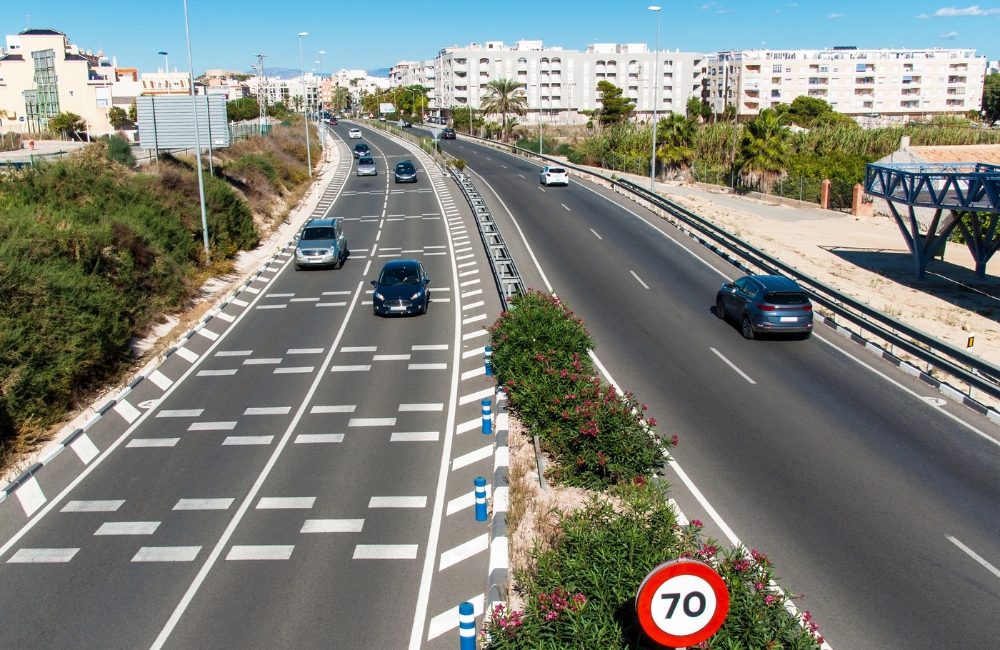
If you possess a driving license from the EU or EEA, it is valid for driving in Spain without needing to exchange it, provided it remains current. Non-EU drivers are advised to secure an International Driving Permit before travelling to Spain, which must be carried alongside their original driving license.
International insurance is mandatory for driving in Spain, and drivers from certain countries need to present specific documentation to prove insurance coverage. The legal minimum age to drive in Spain is 18, and rental car companies may require drivers to be older or have held their license for a specific period.
These requirements ensure you can drive legally and safely in Spain with a Spanish driving licence.
Practical Tips for Settling In After Moving to Spain
Settling into life in Spain involves more than just logistical arrangements; it includes integrating into the local culture and community. Adjusting to life in Spain and becoming part of the community requires cultural integration. Spain is known for being a welcoming country for families, making it easier for children and adults from abroad to integrate.
Understanding local social customs and etiquette is crucial for successful integration into Spanish life. UK driving licenses can be used for up to six months after establishing residency in Spain, but a Spanish license must be obtained afterwards.
Registering with the Local Town Hall (Padrón)
Registering at the local town hall confirms your residency status in Spain and is often needed for various administrative procedures. To notify your new address in Spain, you must register at the local town hall office. You do not need to own property to register on the Padrón; anyone residing in the municipality can register.
To ensure validity, your Padrón status must be confirmed every 2 or 5 years. The registration process can vary between regions in Spain; it may be possible to register online or might require an in-person appointment.
Setting Up Utilities and Day-to-Day Living
Setting up utilities like electricity, water, and internet is crucial for a smooth transition when moving to Spain. Key points about utilities in Spain include:
- The utility system in Spain is generally efficient, though it may feel unfamiliar to newcomers.
- Internet installation may require a visit from technicians.
- Internet speeds can vary widely by area.
The average cost of a meal at a restaurant in Spain ranges from €15 to €25, which is an important aspect of day-to-day living costs. Knowing these aspects will help you settle into your new home with ease.
Cultural Integration and Learning Spanish

Adapting to new surroundings and enhancing the overall living experience in Spain requires cultural integration. Engaging with local customs and traditions will significantly aid in your adjustment and help you feel at home in Spain.
Registering with the local town hall (Padrón) not only establishes your residency as a Spanish resident but also connects you with community resources that promote cultural exchange for Spanish residents. Learning Spanish will facilitate communication with locals and provide access to cultural insights, ultimately easing the transition process while ensuring compliance with local laws.
Spain’s famous festivals, like La Tomatina and Running of the Bulls, attract visitors from all over the world, but many newcomers are surprised to find even small villages host lively local fiestas throughout the year.
Your Next Steps for a Smooth Move to Spain
Settling into life in Spain is about more than unpacking boxes, it’s about embracing a new culture and way of life. Taking the time to learn the language, register with your local ayuntamiento (town council), and immerse yourself in local customs will not only help you integrate but also enrich your overall experience as a new resident in Spain.
At PSS International Removals, we understand that moving abroad is a big step, and we’re here to make it as stress-free as possible. Whether you’re relocating a few boxes or a full household, our expert team offers a comprehensive door-to-door service, whcih includes professional packing, customs clearance, and safe delivery to your new home in Spain.
Ready to get started on your move to Spain? Get a free online quote today or visit our Removals to Spain page to learn more about how we can help you make the move with confidence.
Frequently Asked Questions
What is the first step in the removal process to Spain?
The first step in the removals process to Spain is to conduct a home survey or obtain an online quote, which can be done in just 60 seconds. This initial action sets the foundation for a smooth relocation.
How can I move my belongings to Spain?
Hiring a professional moving company such as PSS Removals is the best way to ensure a smooth transition, as they offer door-to-door services, expert advice, and storage options. This approach minimises stress and ensures your belongings arrive safely in Spain.
What types of visas are available for moving to Spain?
There are several visa options for moving to Spain, including work, student, and non-lucrative visas. Choose the one that best aligns with your purpose for relocating.
How can I access healthcare in Spain?
You can access healthcare in Spain through the public system if you’re a resident, but it’s advisable to obtain private health insurance for enhanced coverage.
What are the requirements for driving in Spain?
To drive in Spain, you need a valid EU/EEA driving license, while non-EU drivers must possess an International Driving Permit alongside their original license. Ensure you have these documents to avoid any legal issues on the road.